
Yes, absolutely. A day trip from Lima to Paracas and Huacachina is one of the most rewarding excursions you can take from the Peruvian capital. In a single day, you explore a stunning wildlife reserve and cruise around the Ballestas Islands. You also ride dune buggies across a desert oasis and watch one of the most dramatic sunsets in South America. It is long, but it is worth every hour.
How long does it take to get from Lima to Paracas and Huacachina?
Understanding the distances is essential before planning your day. Paracas sits approximately 260 kilometers south of Lima. By road, that takes roughly 3.5 to 4 hours depending on traffic. From there, Huacachina lies about 75 kilometers further inland, near the city of Ica. That adds another 1 to 1.5 hours to the journey. In total, therefore, you are looking at a full travel day of around 16 to 18 hours door to door.
What time should you leave Lima?
All departures leave Lima very early in the morning. Most organized tours pick up travelers from Miraflores, San Isidro, and Barranco between 4:30 and 5:30 a.m. This early start is not optional. It is necessary to reach Paracas in time for the Ballestas Islands boat tours. These operate exclusively between 6:00 a.m. and 1:00 p.m. Missing this window means missing the boat entirely.
When do you return to Lima?
Most groups leave Huacachina after sunset. They arrive back in Lima between 11:00 p.m. and midnight. As a result, it is a genuinely full day with very little idle time. However, the variety of landscapes and experiences makes the travel time feel much shorter than it sounds.
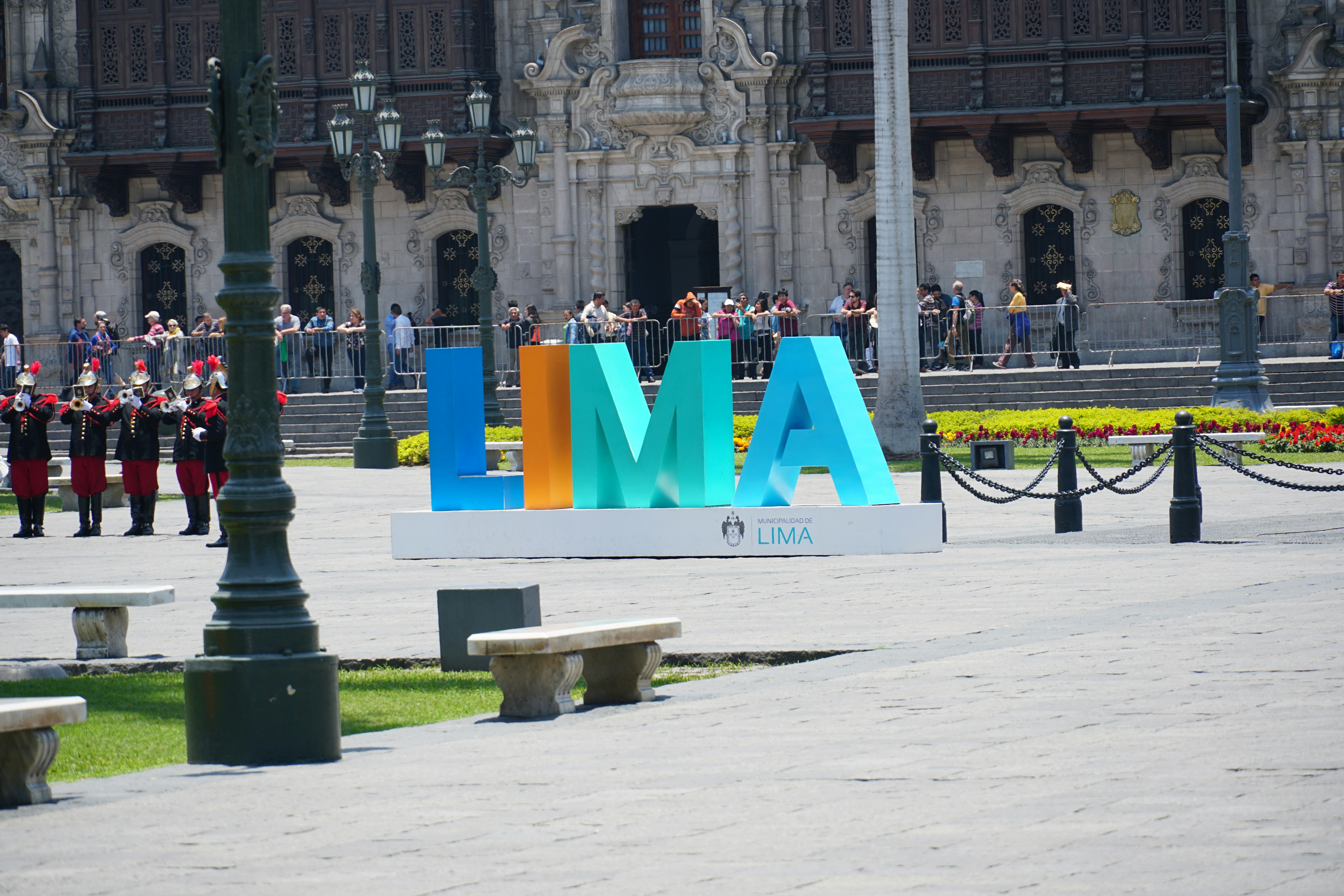
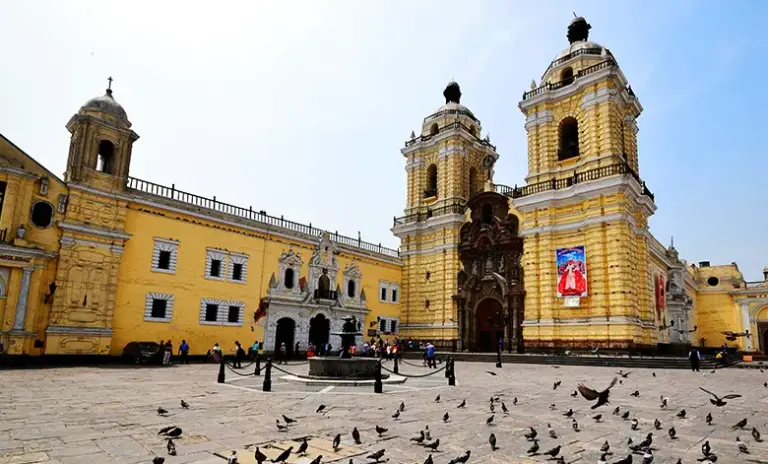
Before you head south, start your Lima visit on the right foot. At Free Walking Tour Lima, certified local guides take you through the Historic Centre of Lima. They provide rich cultural and historical context about the city and the country. This way, you arrive at each destination with a much deeper appreciation for what you are seeing.
What can you do and see in Paracas and Huacachina in just one day?
Even with a tight schedule, a well-organized day covers an impressive amount of ground. The first major stop is the Paracas National Reserve. This protected area covers approximately 335,000 hectares along Peru’s southern coast. It combines dramatic desert cliffs, turquoise waters, and one of the richest marine ecosystems in South America.
Ballestas Islands
The highlight of the Paracas leg is the boat tour around the Ballestas Islands. Travelers often call them the “Mini Galápagos” of Peru. During this 2-hour cruise, you observe sea lions, Humboldt penguins, and thousands of seabirds in their natural habitat. On the way out, the boat passes the Candelabra Geoglyph. This mysterious figure is carved into the hillside and remains unexplained to this day. The experience is raw, visually stunning, and completely unlike anything you will find near Lima.
Ica Valley and Pisco Tasting
Between Paracas and Huacachina, many tours include a stop at a local vineyard or pisco distillery in the Ica Valley. There you learn how Peruvian pisco is produced. You also taste different varieties directly at the source. It is a natural and enjoyable pause between the coastal and desert portions of the day. Furthermore, it connects beautifully to Peru’s broader gastronomic identity.
Huacachina Oasis and Dune Buggies
The final part of the day takes place at Huacachina. This is South America’s only natural desert oasis. Massive sand dunes surround the lagoon, reaching up to 100 meters in height. The late afternoon dune buggy ride launches you across the desert at high speed. After the ride, sandboarding down the steep slopes as the sun sets is an experience very few travelers forget. The best light for photography occurs between 4:00 and 6:00 p.m. Most tours schedule the buggy session precisely at this time.
Is it better to go on an organized tour or travel independently?
Both options are possible. However, they come with very different levels of effort and risk.
Traveling independently
Traveling independently means taking a public bus from Lima to Paracas. You then arrange a taxi or moto-taxi to the pier. After that, you book the Ballestas boat separately. Finally, you find transport to Ica and then onward to Huacachina. On paper, this saves money. In practice, it requires fluent Spanish and familiarity with local bus terminals. It also demands a willingness to manage very tight timing windows on your own.
Joining an organized tour
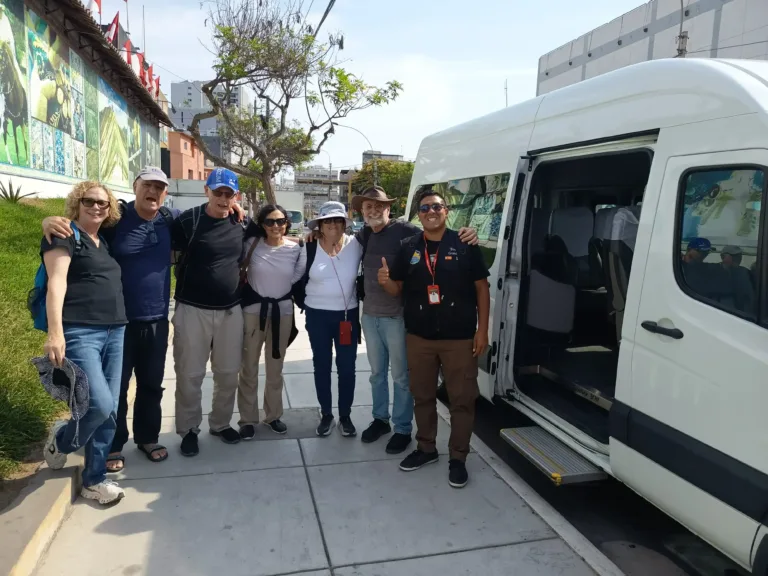
For most first-time visitors, an organized tour is the more sensible choice. A good operator handles hotel pickups and coordinates all transfers. They also pre-sequence activities to match the morning Ballestas window. Additionally, having a bilingual guide on board adds genuine value. They share stories, local knowledge, and practical tips that no guidebook covers.
What to look for when booking
When comparing organized day tours from Lima, look for operators that use full-sized coaches rather than minivans. Also check that they include an on-board host and offer clear pricing with no hidden fees. Entry fees for the Paracas National Reserve and the Ballestas Islands are paid separately at the gate. The standard adult entry costs around S/. 11 for the reserve.
Should you stay overnight?
If your schedule allows it, consider spending at least one night in Paracas or Huacachina. Doing so transforms a rushed day into a far more relaxed experience. You gain time for sunrise at the oasis and a more thorough circuit of the reserve. You also get a second chance at the Ballestas boat if winds cancel the first morning’s departure.
In any case, a Day Trip from Lima to Paracas and Huacachina works best as part of a broader Lima experience. Join a free walking tour in Lima first and let our local guides give you the cultural context that makes every stop on your journey more meaningful. Our tours depart daily from Miraflores, operate on a tips-only basis, and professionals licensed by Peru’s Ministry of Foreign Trade and Tourism lead every walk. It is the smartest and most affordable way to begin your Peruvian adventure before heading south.